

At this point you’ve read our introduction to passive income with real estate investment and now you may be wondering which is the best avenue to explore first. Should you consider chipping in for a large apartment complex? Or maybe a trailer park home is more your style? Today I’ll be talking about investing in single family homes. Like all the real estate investment options, there are pros and cons. I’ll go through those with you as well as how to get started in 7 steps.
The Upsides to Single Family Home Investing
Homes are being constantly bought and sold. There is ample opportunity to not only buy one single family home, but to buy multiple if you so choose. It’s also easier to liquidate your home as opposed to get out of an apartment complex deal or a mixed-use building that needs to be built from scratch.
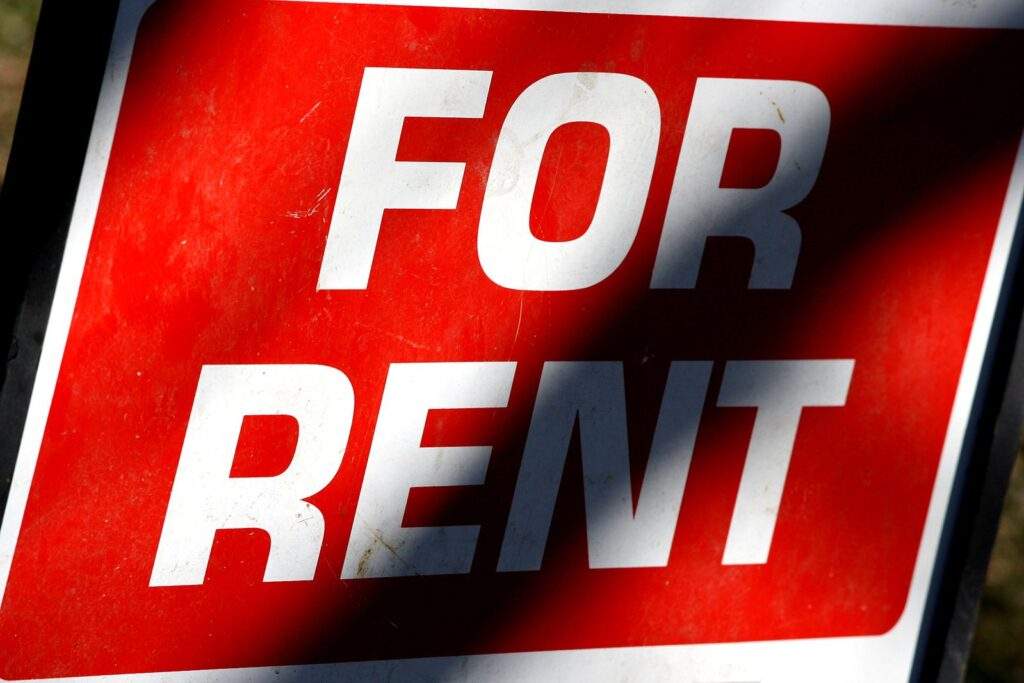
There are many families that are looking to rent homes as opposed to buying. According to The Washington Post both Millennials and Baby Boomers are looking to rent instead of buy due to the economy, need for mobility and convenience. Therefore you have a larger customer base for your product which also means shorter vacancies due to a high demand. And what’s also important to note is that these leases tend to be longer. Those who live in apartments come and go. Those who rent houses tend to stay much longer due to a number of factors like children in school, saving money up to buy, the labor necessary to move a whole home, etc.
Lastly, from a strictly financial standpoint, owning and renting out a house can help diversify your portfolio. You can have all kinds of houses, across your state or even in multiple states. That was one of the perks I mentioned in the introduction article. You’re also less hindered by taxes compared to larger property investments.
The Downsides to Single Family Home Investing

When you buy into an apartment complex or a mixed-use building, there is a property manager involved. Unfortunately, when buying a single family home, more often than not you will also be the property manager. This means needing to handle headaches like frozen pipes, roof cleaning, leaks and on more rare occasions, evictions. This makes your investment simply less “passive” and more hands-on.
While vacancies will certainly be shorter, when a house is vacant that means you are not reaping any money from your single investment. At least when you invest in a building that provides multiple rent checks, you’re getting a little something. So while there is plenty of opportunity to fill your vacancy, please know that there may be a few months here and there where there is no one in your property and you will be taking a loss, or at least not driving revenue.
In some neighborhoods you must be a member of the HOA (Homeowners Association). Therefore that’s an extra fee you must pay since you own the home. Certain neighborhoods might also have certain restrictions so that the neighborhood looks uniform. That means you may need to pay for a bi-weekly landscaping company to come by or will need to touch up on paint and the outer facade more than you would need to otherwise.
Story continues after advertisement

How to Get Started in 7 Steps
Getting started is pretty simple. It’s a matter of figuring out exactly what you want, raising the funds, purchasing the home and then marketing it out to renters. But there are some aspects that are exclusive to single family homes that you should understand before jumping in.
1.Research
Before deciding if you are going to buy the home next door, figure out which neighborhood is best for you. If you are going to be the property manager, it makes sense to pick an area that is close by incase there are ever any issues (and there certainly will be!) But also consider that homes may be more affordable in other towns or even in neighboring states.
When considering location, make sure to look up your state’s laws for renting. Many states are highly regulated when it comes to leases and renting. Your state may be strict while a neighboring state may be more lenient. Make sure to look into all the laws necessary before deciding on your first investment property location.

2. Buy
When buying your home, you can buy from a realtor or buy straight from the owner if you’re able. This will save you some money. There are of course some pros and cons to working with a realtor for when you are ready to rent, as well. With the power of the internet especially, it is very easy to get in front of prospective renters on your own without the help of a real estate agent.
3. Update
You should consider updating the home when buying. This will make it more attractive to prospective tenants. Of course, this means a little more investment is needed upfront. The extra funds can be worth it though, as you’ll also increase the property value and you can charge more for rent.
4. Market
As I mentioned earlier, there are now many websites where you can easily list your property. Zillow and Trulia are two that come to mind as well others specifically for renters in your area, like HAR.com for those who live in Texas like me.
There are also other ways to get the word out. Flyers, social media advertisements and a sign in the front yard are just a few examples. And if you don’t want to do all that extra work, plus showings, there are of course realtors who would love to work with you.
5. Interview
It’s important to create an aggressive application. By getting all the information upfront you can more easily sift through candidates and choose the one who fits your home best. Making the application have multiple components may make closing a bit slower, but it’ll save you time, money, and energy in the future.
6. Hire a Manager or Take it On Yourself
Now that you have a tenant, you can either take on the property manager role yourself or you can hire someone. If you have multiple homes, it may make sense to hire someone who can manage all of them. Or you may be more comfortable handling all the issues yourself. At the end of the day, it matters what your preference is and if you mind giving up a portion of your revenue to someone else.
7. Receive Checks!

You’re all set! Pretty simple, huh? Of course, after your first home it’ll get easier and easier.
Investing in a single home can be a great introduction to passive real estate investment, especially if its a turnkey property. Simply buying a home in the right neighborhood and putting it in the market for the right price can result in you not only getting your initial investment back but it can act as a serious revenue driver. It all depends on what feels right to you, how much money you have to invest or feel comfortable saving for and if you’re willing to take the risk.
After reading this article, do you feel like single family home investing is right for you? Why or why not? Share in the comments!